

new: From October 19th, 2026
China White Tea Tour
Fuzhou - Jingdezhen - Quanzhou - Fuding - Taimu mtn. - Diantou - Zhenghe - Dehua - Xishuangbanna - Nannuo mtn. - Pasha - Menghai


The tour is currently fully booked; you can join our waiting list, explore other tours, or contact us to design a custom tour taylored on your favorite route and pace
-
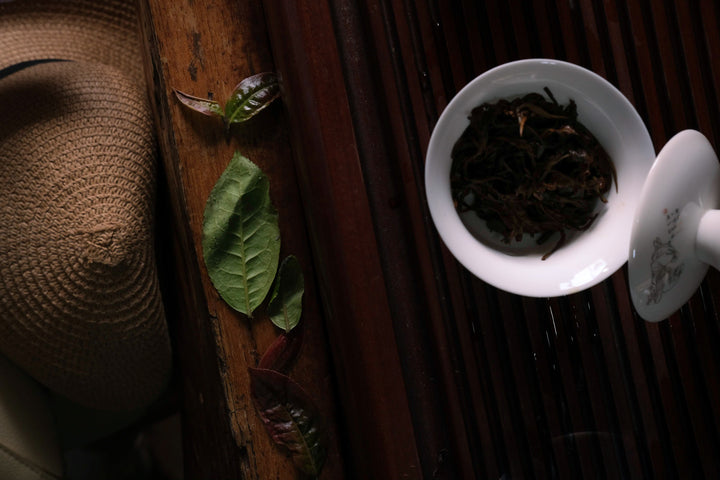
Leaves that appear ancestral — small buds dried in the shade of wild tea trees — reveal themselves to be refined and deeply cultural; and white porcelains disclose warm translucence, the quiet presence of stone, and the gentle trace of the hands that shaped them.
We will travel along an arc of tones and shades that crosses China from east to west, returning us to white. It is a new itinerary that gathers many of our personal passions: a mature route built upon the experience of previous journeys between east and west, precise in its rhythm and guided by a shared objective.
We will depart from Fuzhou, at the crossroads of great maritime routes in the very centre of Fujian, and from there begin our exploration of flavours and refined techniques. We will visit Fuding and then Zhenghe, in their production centres and key villages, where white tea production has reached remarkable technical precision, dividing harvests not only by season but by day and even by the hour in which the precious leaves are picked.
We will visit Jingdezhen and Dehua two centres of porcelain and ceramics whose kilns were first lit during the Tang dynasty, where kaolin-rich clays are shaped, glazed, and fired at over 1300°C to achieve the luminous density that made them world references.
For the latter district, we will base ourselves in a city dear to us for its millennial multiculturalism and refined flavours: Quanzhou, offering an urban immersion into an intense and little-known side of Chinese culture, shaped by crossings of peoples and great voyages.
From the eastern coast we will fly to Yunnan, to the origin of the tea plant where dense ancestral forests still remain. There, we will apply skill and technique in producing our own white tea: harvesting the autumn leaves, allowing them to wither, caring for them, and later engaging in a blind tasting alongside other teas to understand how terroir has expressed itself through our hands.
We will taste numerous cultivars from these areas, expanding our memory of fragrances and flavours and deepening the experiences that shape our inner landscape.
This journey grows from conversations with travellers who have shared previous routes with us. Some places are already reserved; if you recognise yourself in this path, we invite you to contact us directly.
October 19th - November 3rd, 2026
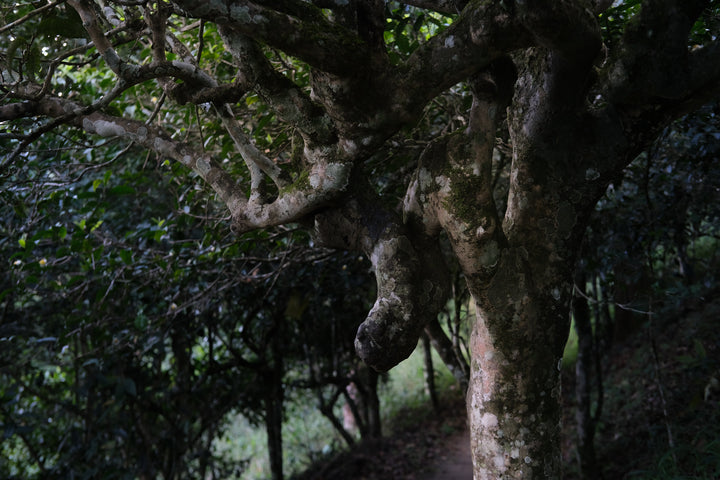


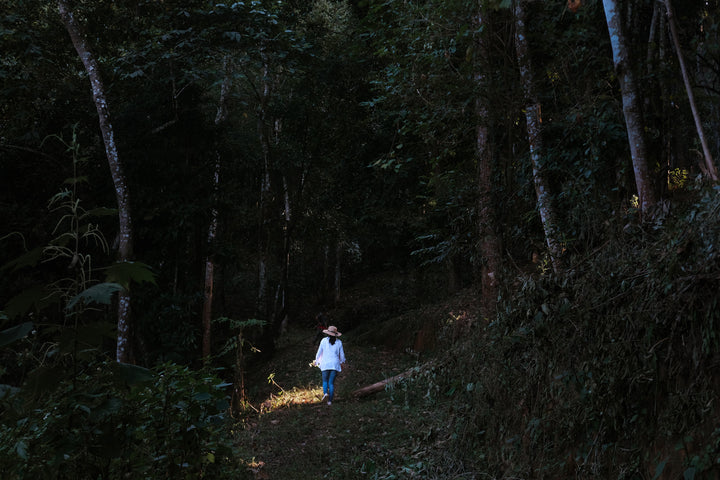
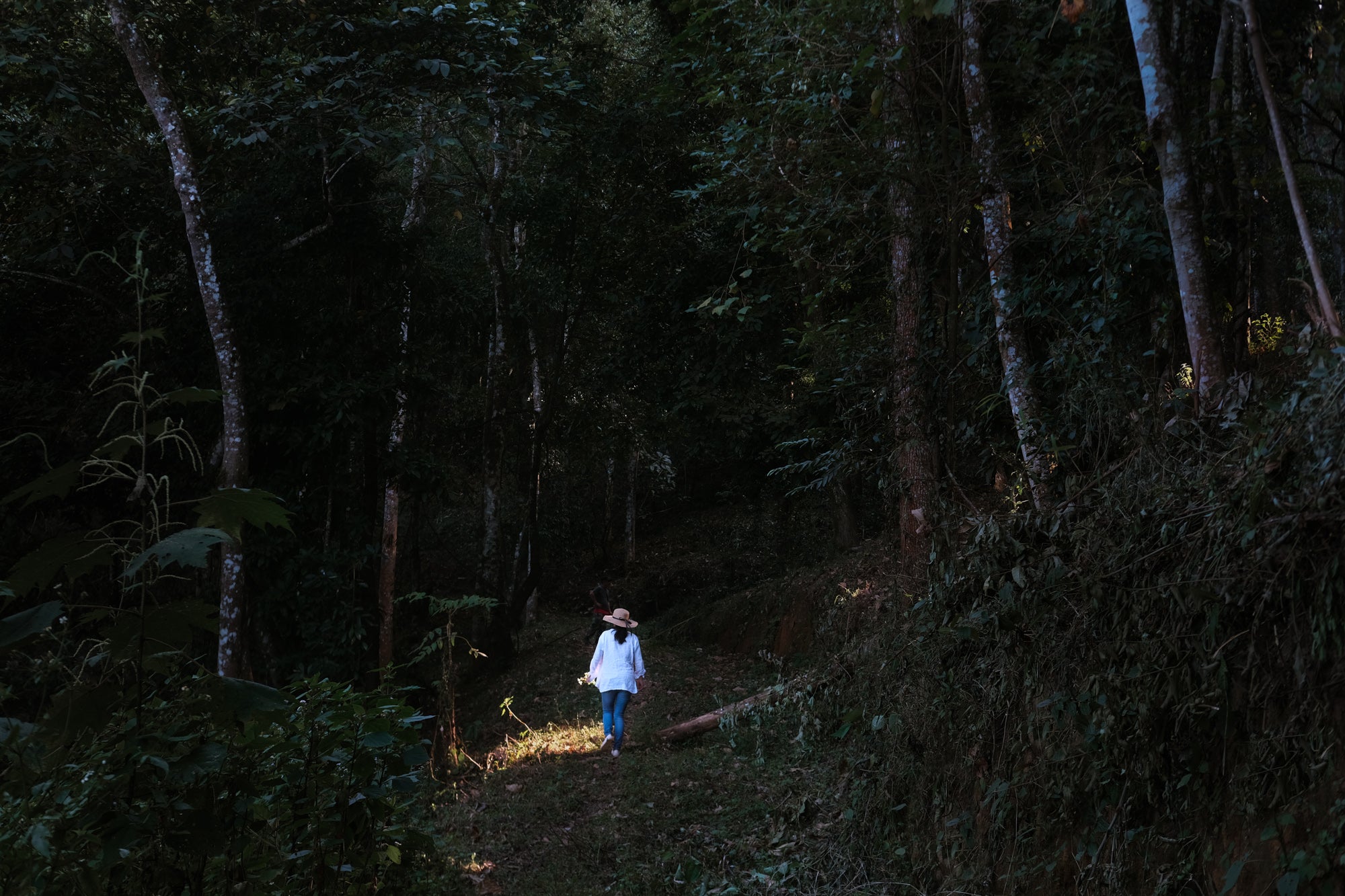


A preview of your journey


Cofanetto: White Tea Tour, ottobre 2026
Questo cofanetto di degustazione raccoglie le sfumature raffinate, eleganti e limpide del tè bianchi che assaggeremo durante il nostro Tour sul tè bianco ad ottobre 2026, viaggiando tra gli aromi di ogni terroir che visiteremo.
Dalle dolci colline accarezzate dalla fresca brezza marina della provincia del Fujian, dove visiteremo il luogo di nascita della tecnica di lavorazione del tè bianco, alle maestose montagne dello Yunnan immerse nella nebbia e nel silenzio. Il nostro itinerario ci condurrà attraverso storici distretti della ceramica, visitando gli studi di maestri ceramisti e artisti.
Per offrirvi un piccolo assaggio della porcellana bianca che ha reso famosa la città di Jingdezhen, questa confezione include una tazza da degustazione in pregiata porcellana di Jingdezhen decorata con i leggendari drago e fenice.
Questo Viaggio in una confezione:
- Fuzhou, provincia del Fujian: un tè bianco al gelsomino, arrotolato a mano in perfette perle dal gusto elegante.
- Fuding, provincia del Fujian: Bai hao yin zhen, la più raffinata arte del tè bianco, con i suoi germogli vellutati accuratamente raccolti e selezionati a mano.
- Fuding, provincia del Fujian: uno Shoumei invecchiato, un tè bianco intenso e corposo lavorato ed essiccato al sole nella primavera del 2010.
- Zhenghe, provincia del Fujian: un Mudan Wang invecchiato, il livello più alto del classico Bai Mudan, della primavera del 2023.
- Nannuo, provincia dello Yunnan: uno Yueguangbai invecchiato del 2018, lavorato con le foglie della nostra foresta e arrotolato a mano in sfere perfette.
- Lunan, provincia dello Yunnan: il nostro Yueguangbai di Alberi Antichi realizzato con le grandi foglie delle cultivar di tè locali dell'area di Pasha, lavorato e pressato nella primavera del 2025.
Sei tè bianchi per un primo assaggio del nostro Tour sul tè Bianco in programma ad ottobre 2026, in un preludio di paesaggi, persone, foglie, arte e sapori.
Formato: confezione da degustazione contenente 6 campioni di tè da 7-10 g ciascuno e una tazzina da degustazione in porcellana Jingdezhen.
Per maggiori dettagli sull'itinerario di questo tour e per vedere la galleria fotografica, visita la pagina White Tea Tour.
Scopri anche gli altri nostri tour per il 2026: Tour Studio Estivo e Tea Tour Invernale
Questo cofanetto degustazione è un'edizione limitata, disponibile fino al 19 ottobre o fino a esaurimento scorte
Our travel is designed by us, and it is independent from any travel agency: we bring you with us on Eastern Leaves routes, guided by a farmer and tea scholar, through places, tastes and people that are most meaningful for us.
From our travelers
I still can't believe I was in all these amazing places
"I am drinking a rock tea from Wuyishan at home, a month after our trip. Brewed in a beautiful Yixing pot that I bought in actual Yixing, and tea from the mountain that I hiked on. I still can't believe I was in all these amazing places... I am reminiscing about this holiday a lot. It was just perfect. People were incredibly nice. We had wonderful encounters with lots of lovely different tea people and the people in our group where the best. Tea people are so nice. We saw incredible things, drank the best teas and had so much fun together. Everything that was abstract for me beforehand, became concrete while traveling. It's hard to capture my feelings in words, but but I am back home for a month now and there was not a single day that I didn't think about the trip. I wasn't homesick while traveling, but I am tripsick now.
And all of this took place under the caring and enthusiastic guidance of Vivian and Lorenzo, truly two of the most kind, warm-hearted and knowledgeable people that I know."
W.E., from The Netherlands
We have become more sensitive and have touched beauty
"I want to consider a different approach. I don't want to make a review of what went well and what didn't go well. I don't want to dwell on individual stages and describe a fantastic world. I reject any image of travel, tea, an extraordinary country and all that. I want to forget any kind of knowledge I have. Tea lovers already know all about these things. I want to tell them that they don't need "yesterday" because it is the necessary condition to savor any moment with its different temperatures, colors and fragrances. Isn't this what happens when you drink forgotten tea? Isn't it like drinking a new tea, after all? When we abandoned the concept of tea bags, what did we do? We entered an ancient forest for the first time. We put our hands in the clay. We tasted food with a sparkling and surprising flavour. We have become more sensitive and have touched beauty. And this is where the world of Eastern Leaves becomes real"
D.N., from Italy
These experiences last only a few weeks, but the memories will stay with me for a lifetime
I've joined two tours with Eastern Leaves, and both exceeded my expectations. Though I’m not usually a fan of group travel, being with fellow tea lovers made it special.
The Eastern Leaves team stands out for their thoughtfulness, sincerity, and commitment to sharing knowledge. They were supportive before the trip and attentive throughout, providing quality accommodations and meals while regularly asking for feedback.
The itineraries strike a great balance between active days and restful ones with tastings and workshops, and they remain flexible to adapt to changes.
I visited renowned places like Wuyishan, Yixing, and Yunnan’s wild tealands, and even returning to places like Nannuo and Menghai brought new perspectives. These short journeys have left me with lasting memories.
E.T., from The Netherlands
None of what I have experienced, would have been accessible and possible as independent traveller
Thank you so much for such two unforgettable weeks around Yunnan.
As an event organizer I don’t trust other people easily, but your tour was seamless and you gave us so much more than you promised. You’re both very alert to the necessities of the group, flexible and caring that you made us feel special from day one. You also have a keen eye for detail, which always makes a big difference.
Every day we could discover a new shade of the fascinating tea world of Yunnan and it really was a deep dive into the subject at 360 degrees. Most of all, 98% of what we experienced, tasted, brewed, learnt and enjoyed wouldn’t have been accessible and possible as independent traveller. You really are a passport for the world of Chinese tea and I can’t wait to discover another tea area of your country with you.
L.A., from Venice
Our travel package includes accommodation in selected, cosy hotels, all the internal transportation, and meals. It doesn't include the flight from/to your country of origin, visas (but we support your application), and insurance.
Once you decide to travel with us, we assist you in everything we can, following our experience with travellers from all over the world.
Contact us
Further travel options


Tea Horse Road Tour
November 22nd – December 5th, 2026
We built this journey along the Chama Gudao 茶马古道, the ancient Tea Horse Road that for centuries carried pressed tea from Sichuan and Yunnan into Tibet. Starting in Chengdu, we explore Sichuan's teahouse culture before reaching Mengding Mountain, traditionally regarded as the birthplace of cultivated tea, and Yingjing, home to the Tea Horse Road Museum and to zangcha, the dark tea once pressed specifically for the Tibetan trade.
From Kunming we continue to Dali and the ancient town of Shaxi, one of the best-preserved staging posts on the old route. The second half of the journey brings us home to Xishuangbanna, at the botanical origin of the tea plant, where we visit our own forest on Nannuo Mountain, press tea by hand with the farmers of Menghai, and end in Yiwu—historically the starting point of the Tea Horse Road itself—walking a stretch of the original stone path before a final tasting together. This journey reflects the spirit of Eastern Leaves—tea, craft, landscapes, and the people who bring them to life.


Winter Tea Tour
December 23rd, 2026 – January 5th, 2027
This new itinerary explores the diversity of our beloved Yunnan in tea, geography, and culture: we cross its high-mountain geography from north to south, through its two most important kingdoms of Nanzhao (Tang dynasty, 618-907) and Dai (Song dynasty, 960-1279), indulging in the best leaves that the locals who inhabited these lands refined over centuries.
It is a tour of study, with the workshop we prepare for you on brewing, ancient incense, and Tang dynasty cakes; of exploration, with mountains, forests and new encounters; of awe, thanks to the breathtaking landscapes of Yunnan; of people, we will brew together with the producers their best teas, and we will be hosted by pottery masters and tea professionals, freely interacting with their humanity and work.
This journey will take you through everything that makes Eastern Leaves: our Yunnan, a deeper understanding of Chinese culture, and all of the people that make our tea journey meaningful.
Custom Tea Journeys
Tailored to your preferences and passions. From wilder explorations to focused courses and masterclasses, each tour is designed with the same depth and immersion in our tea world.

Travel's FAQ
We choose every place we stay in with care — not only for comfort, but for how it fits the region and the rhythm of the journey.
In Xishuangbanna, guests stay in a private villa next to our tea studio, close to the forest and a short walk from where we work. In other destinations — from Shanghai and the tea mountains of Fujian to Kunming and beyond — we stay in hotels we've come to know and trust over years of guiding, chosen for their reliability, their service, and their sense of place.
You can see our full list of partner accommodations in the document below.
For over 50 countries China releases a visa-free stay (the list is at this link).
The list has expanded considerably in recent years — it now includes the United Kingdom and Canada — and is confirmed through the end of 2026. You can check whether your country is included at this link.
If your country is not on the list, China issues 30-day tourist visas through a fairly straightforward process. We suggest contacting your local Chinese visa centre for the current requirements and to complete the application. The standard procedure takes around five working days, with an urgent 48-hour option also available; in most countries, agencies can assist with the paperwork and bookings.
Feel free to contact us for any further support.
Sure! Food is an important part of our experience (and of our lives), so we plan it carefully.
Chinese cuisine is extremely diverse: it includes countless varieties of tofu and a variety of vegetable cooking techniques; we will encounter tuberoses and radishes, wild herbs and flowers: a plant-based diet, in addition to a onnivore diet, is entirely possible.
We also have experience with various dietary restrictions, such as gluten-free, lactose intolerant, and religious restrictions; when you contact us, please let us know your needs and preferences, and we will gladly plan your meal accordingly.
As you are probably aware, we are huge fans of photography, particularly when done slowly and with passion: if you, too, enjoy cameras and pictures, it would be wonderful to share our enthusiasm along the way.
Photos and videos are permitted as long as they do not disrupt the flow of travel for our farmers and experts, ensuring a pleasant experience for all of our guests.
If you want a tour specifically designed for documentary purposes, complete with filming mics and equipment, please contact us in advance to plan a customised trip.
When you decide to book we advise to keep in touch with us, we will assist you as much as possible with flights from your country of origin, visas, and any preparation you may need.
Visas for China have recently become easier to obtain for the majority of nationalities; for the most up-to-date visa rules, we recommend checking the official Chinese website and your local Chinese Embassy or Consulate.
Yes, if you wish, we can provide you with a digital or printed certificate for your travel experience into tea.
For travellers, China is one of the safest countries in the world, with extremely low crime rates, including pickpocketing.
Our commitment along the route is to keep you as safe as possible, both physically and mentally.
For our longer tours, we usually offer the option to join only a portion of the tour, for at least 12 days, based on availability.
If this is your wish, please contact us so that we can plan your trip together.
I cookie vanno bene?
Utilizziamo i cookie per migliorare la tua esperienza di navigazione
Scopri di più